Teaching English Abroad as a Travel Job 2026

If you are dreaming about teaching english abroad as a travel job, you probably want more than just a paycheck. You want to wake up in Tokyo, eat street food in Bangkok, and actually afford to travel on weekends. I felt that exact same pull years ago when I packed my life into two suitcases. Let me tell you how to actually make this happen.
Deciding If Teaching English Abroad as a Travel Job is Right for You
Let’s be incredibly honest right from the start. Working in a classroom in a foreign country is not a permanent vacation, even if it looks like one on your social media feed. You will deal with culture shock, homesickness, and lesson planning on Sunday nights. However, if you want a sustainable way to fund long term journeying, this path offers unparalleled stability. You get a steady paycheck, local holiday time, and a community of colleagues immediately.
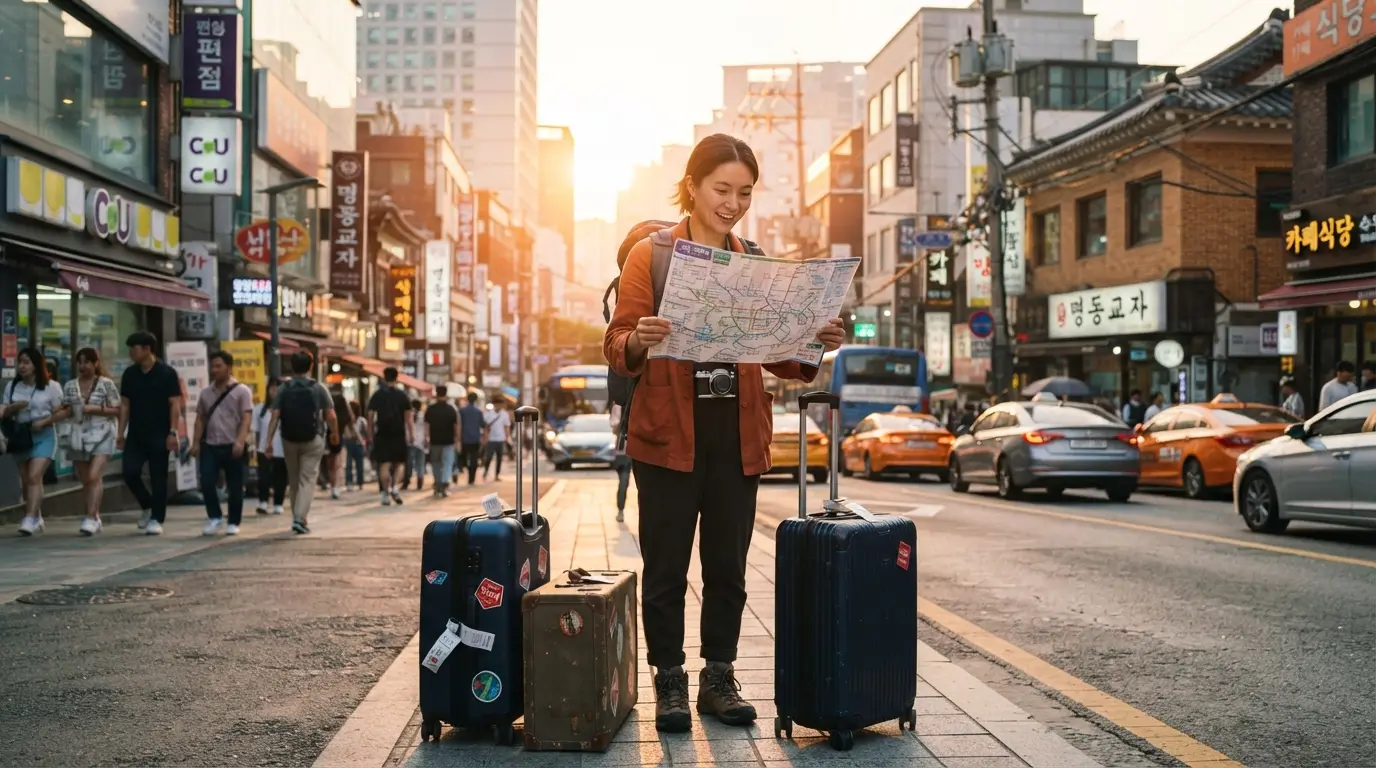
My first month in Seoul was a chaotic blur of trying to read subway maps and wondering why my students kept calling me teacher instead of my name. It was exhausting, but the moment I boarded a cheap flight to Jeju Island for a long weekend, everything clicked. If you can handle a little discomfort, this lifestyle will change you.
Getting the Right TEFL Certification
Before you start sending out applications, you need the golden ticket of the ESL world. Most reputable schools require a 120 hour TEFL certificate as a bare minimum. Avoid those cheap thirty dollar courses on coupon sites because many school boards will instantly reject them. Look for a program that includes practical teaching practice, even if it is done virtually.
Also Read: How to Get Tickets for International Festivals Easily 2026
I made the mistake of choosing a highly academic course that lacked real classroom management tips. My first day in front of thirty energetic middle schoolers was a disaster because I knew linguistic theory but had no idea how to quiet a loud classroom. Invest in a course that focuses on lesson planning, grammar instruction, and student engagement. This upfront cost will pay for itself during your very first month on the job.
Choosing Your Target Country Wisely
Do not just pick a destination based on beautiful beach photos. Your daily experience of teaching english abroad as a travel job will depend heavily on the local cost of living versus your actual salary. Countries like South Korea, Japan, and Taiwan offer high savings potential along with subsidized housing and flight reimbursement. European countries, while beautiful, often pay barely enough to cover your shared apartment rent.
Southeast Asia is the sweet spot for people who prioritize lifestyle over saving massive amounts of money. While your salary in Thailand or Vietnam might seem low on paper, the dirt cheap street food and low rent mean you can travel constantly. Take a hard look at your personal financial goals before committing to a year-long contract in a place you cannot afford to leave.
Finding Legitimate Job Placements Without Getting Scammed
Scammers love to target eager travelers who do not know the industry standards. To protect yourself, always use trusted job boards like Dave’s ESL Cafe, TEFL.com, or official government programs like JET in Japan and EPIK in South Korea. Never pay a recruiter to find you a job, because legitimate schools pay the recruiters directly.
When you get an interview, ask to speak with a current foreign teacher at that specific school. If the school refuses to put you in contact with one of their current employees, treat that as a massive red flag. Speaking to a real teacher saved me from signing a terrible contract in Taiwan where the director apparently withheld pay regularly. Trust your gut and do your research.
Budgeting for Your Initial Move
Even when a school promises to reimburse your flight, you still need a solid chunk of cash to get started. You will need enough money to cover your food, transport, and a rental deposit for at least the first six weeks until your first paycheck arrives. I recommend having at least two thousand dollars in savings before you board your flight.
Many new teachers forget about the hidden costs of relocating, like buying household items or paying for medical exams required for your working visa application. Running out of money in a foreign country where you do not speak the language is incredibly stressful. Having an emergency cushion ensures you can enjoy your new environment without constantly worrying about your bank account balance.
Setting Up Your New Life on the Ground
Arriving in your host country is when the real adventure starts, but you must prioritize the boring logistics first. Get a local SIM card, set up a bank account, and register with the local immigration office within your first week. Your school will usually help you with these tasks, but taking initiative shows them you are professional and independent.
Do not make the mistake of only hanging out with other expats once you get settled. While having a familiar support group is comforting, make an effort to learn basic phrases and eat at local spots. This makes the daily grind of teaching english abroad as a travel job feel much more rewarding and connected to the culture. You will find that locals appreciate even the smallest attempt to speak their language.

Mastering Basic Classroom Management
Once you step into the classroom, you quickly realize that knowing English does not automatically make you a great teacher. Your biggest challenge will not be explaining grammar, but rather keeping twenty young students focused on the lesson. Developing a clear system of rewards and rules on day one is essential for your sanity.
I learned the hard way that yelling over noisy students never works, it only exhausts your voice. Instead, use simple nonverbal communication cues like clapping rhythms or turning the lights off for a brief second to regain control. Once you establish routine and boundaries, your classes will run smoothly, leaving you with plenty of energy to explore after your shift ends.
Managing Your Finances and Taxes
Understanding how you will get paid and how taxes work is crucial when you treat this as a career step. Some countries have tax treaties with your home nation, meaning you might not have to pay double taxes on your foreign income. Keep track of your local tax slips and make sure you understand the foreign earned income exclusion rules if you are an American citizen.
Setting up a reliable way to send money home is another task you should figure out early. Services like Wise or local bank transfers are much cheaper than using traditional wire transfers. I used to transfer a portion of my savings home every month to pay off my student loans, which was incredibly satisfying to watch shrink while living overseas.
Dealing with Culture Shock and Burnout
Living in a new country is exhilarating, but the novelty will eventually wear off, leaving you feeling exhausted or lonely. This phase is completely normal, and almost every traveler experiences it around the three-month mark. Recognizing that culture shock is temporary will help you push through the difficult weeks.
Avoid falling into the trap of complaining constantly about your host country with other disgruntled expats. Instead, find a healthy outlet like joining a local gym, taking cooking classes, or planning weekend getaways. Maintaining a healthy work life balance while teaching english abroad as a travel job is the key to turning a short-term gig into a sustainable multi-year lifestyle.

Preparing Your Exit Strategy
Eventually, your time abroad will come to an end, whether you decide to return home or move to a new country. Plan your exit at least three months before your contract finishes. You need to handle lease agreements, close your local bank accounts, and organize your pension refunds if your host country offers them.
Make sure to collect reference letters and updated contact info from your school supervisors before you pack your bags. Having a solid recommendation on school letterhead is a valuable professional asset that will help you land your next job, whether that is another school in Spain or a corporate role back home.
Frequently Asked Questions
Do I need a college degree to get a job?
Yes, in most popular destinations, a bachelor’s degree in any subject is a legal requirement for the working visa. While some countries in Latin America might have workarounds, having a degree opens up the highest-paying positions and ensures you are working legally.
Can I do this if I do not speak the local language?
Absolutely. In fact, most schools prefer that you only speak English in the classroom to force immersive learning. You do not need to know the local language to get hired, though learning basic survival phrases will make your daily life outside of work much easier.
How safe is teaching English overseas as a travel job?
It is generally very safe. Reputable schools provide contracts, assist with housing, and help you integrate into the local community. Just make sure to thoroughly research potential employers, read forums, and speak with current teachers before signing any contracts or moving to a new country.
Can couples or friends get hired at the same school?
Yes, many large academies and public school programs actively recruit couples or friends. You can request to be placed in the same city or even the same school. Just apply early in the hiring season to give recruiters enough time to accommodate your joint housing and schedule preferences.
How much money can I realistically save?
This depends entirely on your location. Teachers in places like South Korea, Japan, or the Middle East can easily save five hundred to one thousand dollars monthly. In contrast, teachers in Europe or Latin America usually break even, using their salary primarily to cover local living costs and travel.
Conclusion
Taking the leap to live and work in another country is scary, but it is easily one of the most rewarding decisions you can make. With the right planning and a bit of flexibility, you can build a sustainable lifestyle that lets you see the world. Are you ready to start searching for your first school?
[…] Also Read: Teaching English Abroad as a Travel Job 2026 […]